Complete Program of Citizens for Change
Introduction
Our movement is born from the conviction that a united, strong, and democratic Europe can successfully tackle global challenges. We propose a structural transformation of European institutions to make them more representative, effective, and closer to citizens.
1. Federation of the United States of Europe
- Political Union: We propose transforming the European Union into a Federation, with shared powers in key sectors such as economy, defense, foreign policy, and justice.
- European President elected by citizens: The president of the European Federation will be democratically elected by all European citizens to ensure direct representation and transparency.
- Empowered European Parliament: Grant the European Parliament full legislative powers, eliminating the need for negotiations between national governments.
Objective: To create a federal structure that preserves local autonomy while strengthening Europe’s voice on the global stage.
2. Direct and Digital Democracy
- Pan-European referendums: European citizens will be able to propose and vote on crucial issues through secure digital tools.
- Digital platforms: Create a unified European platform for political participation, ensuring transparency, security, and inclusion.
- European civic education: Promote educational programs to help citizens better understand how European institutions work.

Objective: To give European citizens a stronger voice in decisions that affect their lives.
3. Technology and Innovation
- Technological Europe: Invest in research and development to position Europe as a global leader in fields such as artificial intelligence, renewable energy, and green technologies.
- Inclusive digitalization: Ensure all European regions, including the most remote, have access to high-speed internet and modern digital infrastructure.
- Startups and businesses: Simplify bureaucracy and create incentives for innovative startups, with particular focus on young entrepreneurs.
Objective: To make Europe a global reference point for technological innovation and economic progress.
4. Sustainability and Environment
- Climate neutrality by 2040: Make Europe the first region in the world to achieve climate neutrality.
- Investments in renewable energy: Support solar, wind, and hydroelectric energy projects in all member states.
- Circular economy: Promote policies that reduce waste and encourage reuse and recycling.
- Biodiversity protection: Create a European plan to protect endangered species and preserve natural ecosystems.
Objective: To make Europe a global model of sustainability and ecological innovation.
5. Foreign Policy and Common Defense
- A unified European voice: Create a unified foreign policy that represents Europe with coherence and strength in international relations.
- Common European army: Unite the armed forces of member states to ensure collective defense, reducing waste and improving efficiency.
- Humanitarian interventions: Position Europe as a global leader in managing humanitarian crises.
Objective: To strengthen Europe’s role as a global power capable of ensuring stability and security.
6. Economy and Welfare
- A fairer single market: Eliminate economic disparities among member states by investing in less developed regions.
- European social security: Establish minimum welfare standards, ensuring access to healthcare, education, and social protection across Europe.
- Coordinated fiscal policies: Combat tax evasion and promote fair taxation for all European businesses.
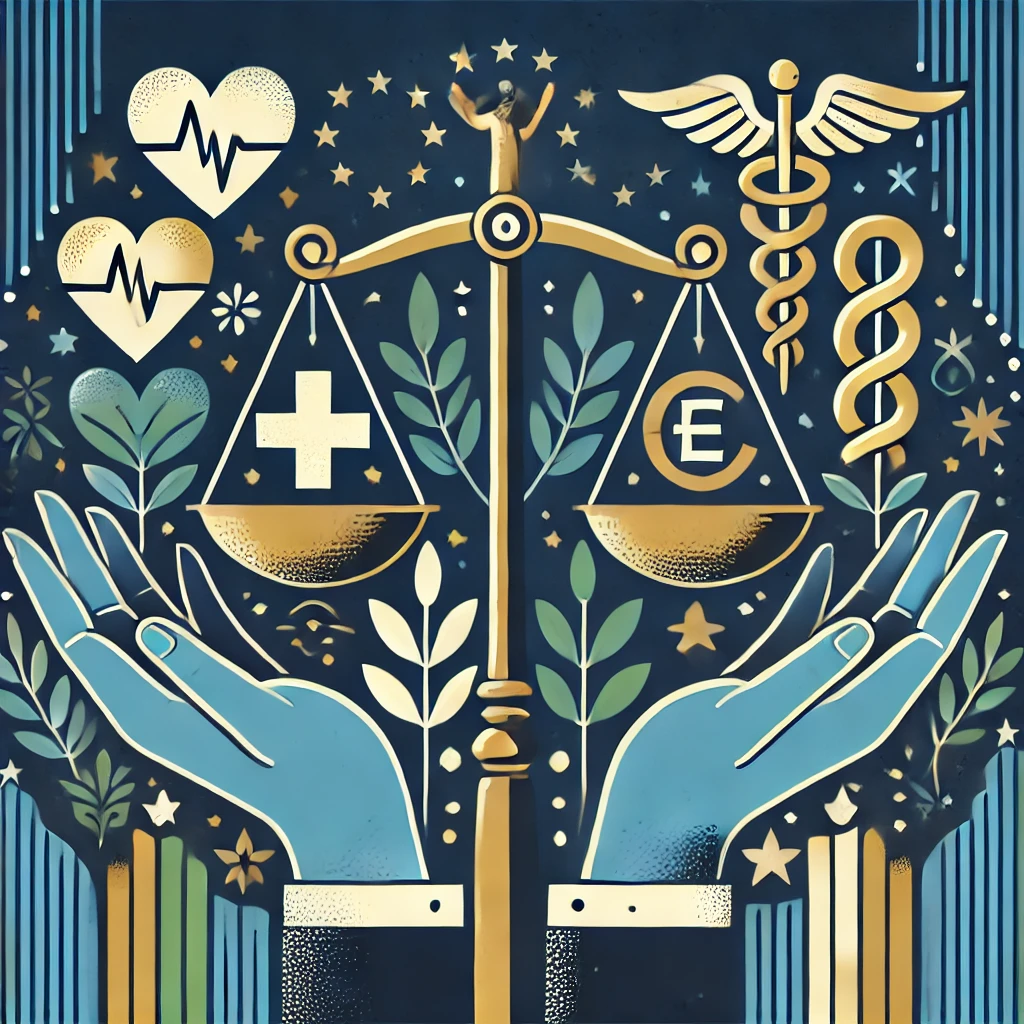
Objective: To ensure a fairer and more prosperous Europe for all citizens.
7. European Identity, Culture, and Language
Promoting English as the main language
- We propose making English the primary language taught in all European schools from primary education onwards, ensuring a common means of communication among EU citizens.
- As a second language, each member state will maintain its national official language to preserve cultural identity.
Protection of dialects and regional languages
- Recognize and value dialects and regional languages as an integral part of Europe’s cultural heritage.
- Fund programs to teach local dialects in schools, in regions where they are spoken.
- Create cultural projects to document and preserve lesser-known dialects.
Language exchange among member states
- Promote linguistic exchanges among European students, offering opportunities to learn not only English but also other official EU languages.
- Organize intercultural events where citizens can discover different languages and dialects.
Europe is a land of cultural and linguistic diversity. For this reason, we propose a multilingual education system that unites all citizens through English as the main language while preserving official languages and local dialects, promoting their knowledge and use.

Objective: To build a common European identity without compromising the richness of local cultures.
8. Transparency and Anti-Corruption
- Open access to information: Ensure that citizens can easily access data on EU decisions and expenditures.
- Severe sanctions: Strengthen laws against corruption and promote ethical practices within European institutions.
- Independent monitoring: Establish an independent body to monitor the transparency of European institutions.

Objective: To restore citizens’ trust in European institutions.
9. Call to Action
“Join us in building a better Europe!”
We believe that together we can transform Europe into a democratic, innovative, and sustainable global power. Discover how to get involved: [Link to website].
What to Do Now
- Read the full program on our website.
- Share your ideas with our community.
- Actively participate in discussions and local initiatives.